

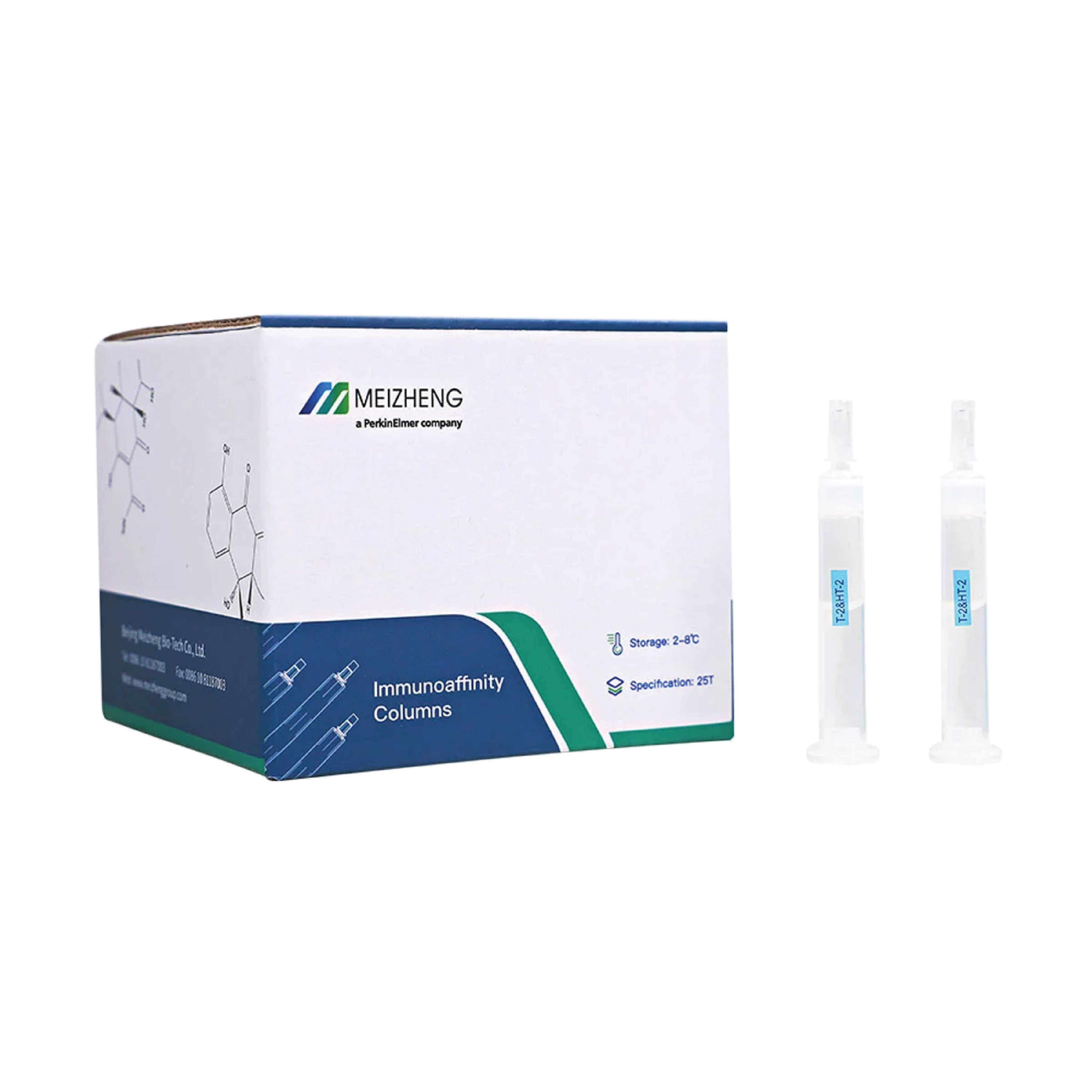
.png)
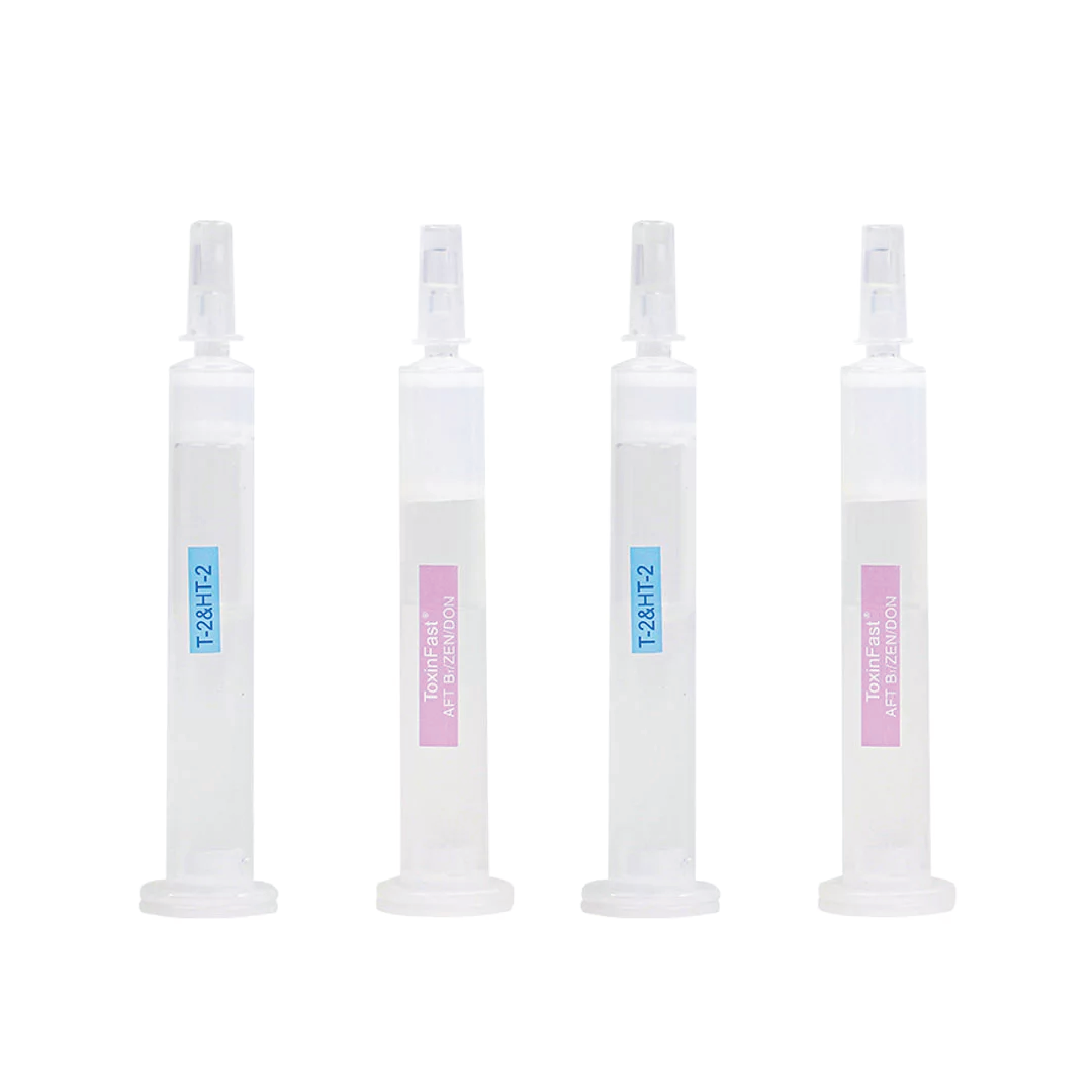
.png)
Aflatoxin M1 Immunoaffinity Column
Order No.: QC0068,QC0069,QC0131,QC0071
RM 234.50
The immunoaffinity column can selectively adsorb aflatoxin M1 from the sample solution, thereby purifying the sample. The purified sample solution can then be directly used for HPLC or LC-MS/MS analysis.
Immunoaffinity columns can be used in combination with HPLC or LC-MS/MS to achieve rapid testing, and to increase signal-to-noise ratio and improve the accuracy of the detection method.
1. Overview:
Aflatoxins are toxic metabolites of a class of fungi (such as Aspergillus flavus and Aspergillus parasiticus). They are highly carcinogenic and are found mainly in grains, peanuts, nuts, cottonseeds, animal feed, vegetable oils, as well as animal tissues and blood. Among them, Aflatoxin B1 (AFT B1) ranks first in terms of toxicity, carcinogenicity and frequency of contamination. Aflatoxin M1 is the hydroxylated metabolite of Aflatoxin B1 and a strong carcinogen. Cow’s milk and its products are prone to Aflatoxin M1 contamination.
2. Principle:
The basis of the measurement is the antigen-antibody reaction. Antibodies are connected to the column and the aflatoxin in the sample is extracted, filtered, and diluted, and then passed slowly through the aflatoxin immunoaffinity column. The toxins bind to the antibodies in the column and the immunoaffinity column is then washed to remove other unrelated substances that have not been bound. Aflatoxin is then eluted with methanol and injected into an analytical instrument for detection.
3. Components of the kit:
Each kit contains Aflatoxin immunoaffinity columns of various specifications and 1 instruction manual.